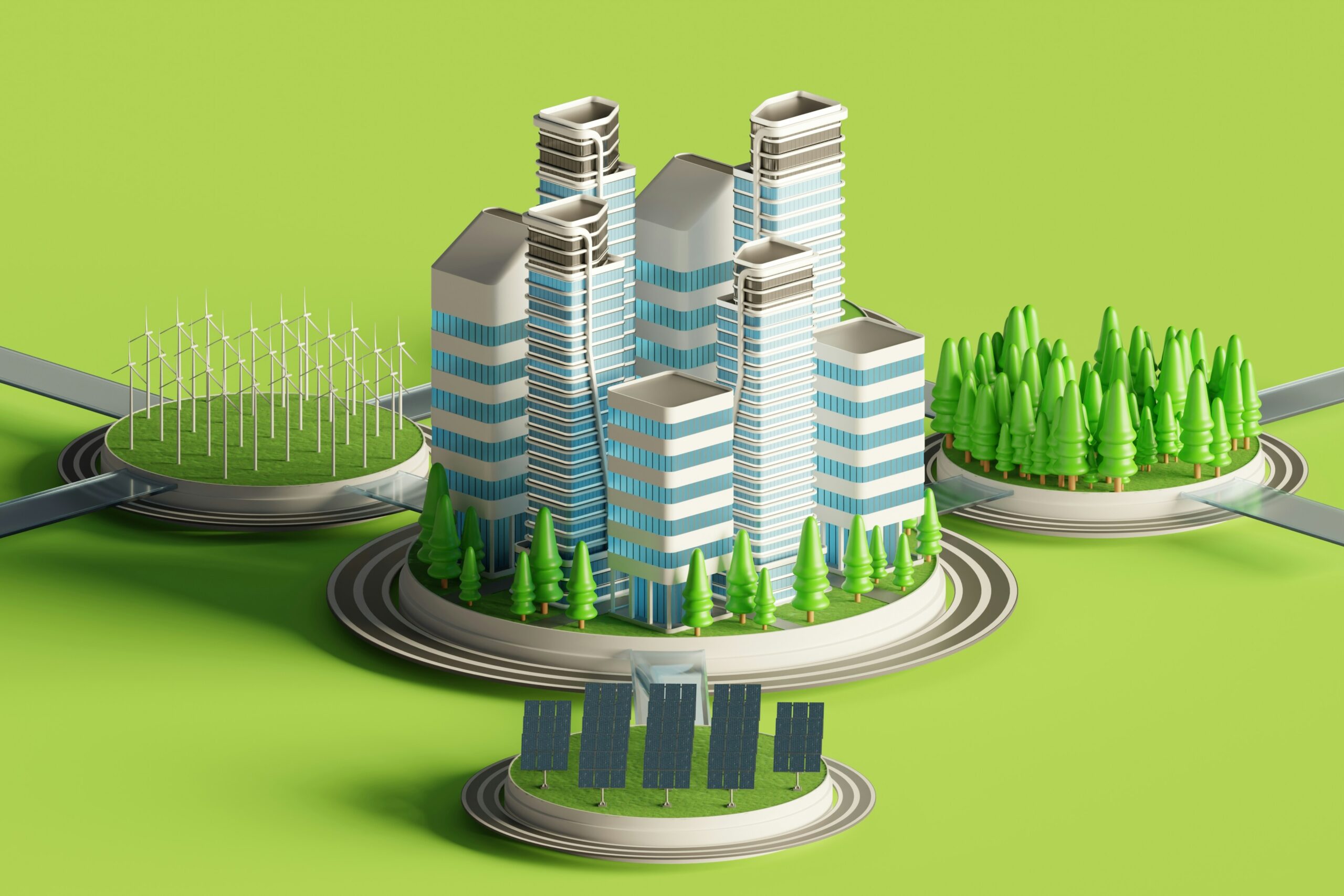
In recent years, green real estate has gained remarkable attention from both investors and developers. The growing demand for sustainability has encouraged people to focus on eco-friendly solutions that support long-term environmental goals. Buyers and renters increasingly prefer homes and buildings that reduce waste, lower carbon emissions, and save energy. As a result, eco-conscious properties have become one of the most promising segments in the real estate market.
At the same time, governments and organizations around the world have promoted green building practices through incentives and tax benefits. This shift has motivated investors to look beyond traditional profits and focus on environmental and social impact. Green real estate is not just a moral choice—it is also a practical investment strategy that aligns with the modern world’s values. By embracing sustainability, investors position themselves at the forefront of innovation and profitability.
Understanding Eco-Friendly Property Investments
Eco-friendly properties combine smart technology, sustainable materials, and energy-efficient systems to minimize environmental damage. From solar panels to water recycling systems, these properties offer a range of features that reduce energy consumption and operating costs. Many developers use renewable resources and prioritize environmental certifications such as LEED or Energy Star to demonstrate their commitment to sustainability.
Moreover, these green features attract a growing segment of tenants and buyers who want to live responsibly without sacrificing comfort. As awareness about climate change spreads, eco-friendly investments have become more than a trend—they represent the future of property ownership. Investors who recognize this opportunity early can enjoy steady returns and contribute to global sustainability efforts simultaneously.
The Financial Advantages of Green Real Estate
One of the main reasons investors are drawn to green real estate is the financial benefit it offers. Energy-efficient buildings often have lower utility costs, which translates into long-term savings for owners and tenants alike. Properties with sustainable features tend to maintain higher occupancy rates because tenants appreciate the reduced living expenses and modern amenities. This combination of cost efficiency and comfort creates stable cash flow and long-term appreciation potential.
Additionally, green properties frequently qualify for government incentives, tax breaks, and financing advantages. These financial benefits can significantly reduce initial investment costs and increase the property’s net operating income. Investors who understand how to leverage these incentives gain a competitive advantage in a market that increasingly rewards sustainability.
Sustainability and Market Demand
Consumer behavior has shifted dramatically toward sustainability, influencing real estate trends in powerful ways. Homebuyers and renters now view energy efficiency and eco-friendly design as key factors when choosing a property. This shift in preferences directly affects property values and rental demand, making green real estate an appealing investment for those seeking strong, long-term returns.
Moreover, large corporations and commercial tenants are also seeking environmentally responsible spaces to align with their corporate social responsibility goals. As companies commit to carbon neutrality, they prefer to operate in buildings that support those values. This trend ensures consistent demand for eco-certified spaces and secures a strong market position for investors who own such properties.
Technological Innovation Driving Green Real Estate
Technology plays a vital role in advancing green real estate. Smart home systems now allow property owners to monitor and control energy use in real time, improving efficiency and comfort. These technologies include advanced thermostats, motion-sensitive lighting, and automated climate control systems that optimize resource consumption while reducing costs.
Furthermore, construction technologies have evolved to include sustainable materials, modular building techniques, and innovative waste reduction methods. By integrating technology into real estate development, investors not only reduce their environmental footprint but also increase the property’s long-term value. As these innovations become more accessible, even small investors can participate in the green revolution.
Challenges Facing Eco-Friendly Property Investments
Despite its benefits, green real estate presents certain challenges that investors must consider carefully. The initial development costs of sustainable properties can be higher due to the use of premium materials and advanced technology. However, these costs are often offset by long-term savings and increased property value. Investors must analyze each project’s lifecycle cost rather than focusing solely on the upfront expenses.
Additionally, not all markets are equally ready for eco-friendly properties. Some regions may lack infrastructure, incentives, or consumer awareness to fully support green initiatives. To overcome these challenges, investors should conduct thorough market research, choose strategic locations, and partner with experienced developers who understand sustainability. Doing so ensures the investment remains profitable and environmentally responsible.
The Future of Green Real Estate Investments
The future of real estate is undeniably green. As climate change becomes a global priority, investors, policymakers, and consumers are working together to create a sustainable housing ecosystem. Innovations in renewable energy, energy storage, and sustainable design will continue to reshape how properties are built and managed. Those who invest in green real estate now position themselves for significant long-term growth as environmental consciousness becomes the new norm.
Furthermore, the rise of environmental, social, and governance (ESG) investing has boosted demand for sustainable assets. Institutional investors are now allocating more funds toward projects that meet ESG standards, reinforcing the importance of eco-friendly property development. This growing momentum indicates that green real estate will remain a dominant force in shaping the global property market for decades to come.
Making a Positive Impact Through Real Estate
Beyond financial rewards, investing in eco-friendly properties allows individuals and organizations to make a meaningful difference. Every energy-efficient home, sustainable apartment complex, or green office building contributes to reducing pollution and conserving natural resources. As the world seeks solutions to environmental challenges, real estate investors play an essential role in leading change through responsible development.
By choosing green real estate, investors create a ripple effect that extends far beyond profits. They inspire communities, influence industry standards, and encourage others to follow sustainable practices. As more people embrace this approach, the world moves closer to achieving a balance between economic growth and environmental preservation.
Green real estate represents more than an investment opportunity—it symbolizes a global movement toward sustainability and responsibility. As investors continue to recognize the long-term value of eco-friendly properties, the real estate landscape will evolve into a cleaner, smarter, and more efficient space. With strong market demand, financial incentives, and technological advancements driving growth, green real estate stands as a powerful strategy for building wealth while protecting the planet.